


When Job Searching Becomes a Full-Time Job – Something Is Broken
Job searching used to mean applying for work.
Now it feels like work itself - unpaid, exhausting, and never-ending.
And that’s not normal.
The Problem
Ask anyone currently job hunting what their days look like.
It’s not just "applying".
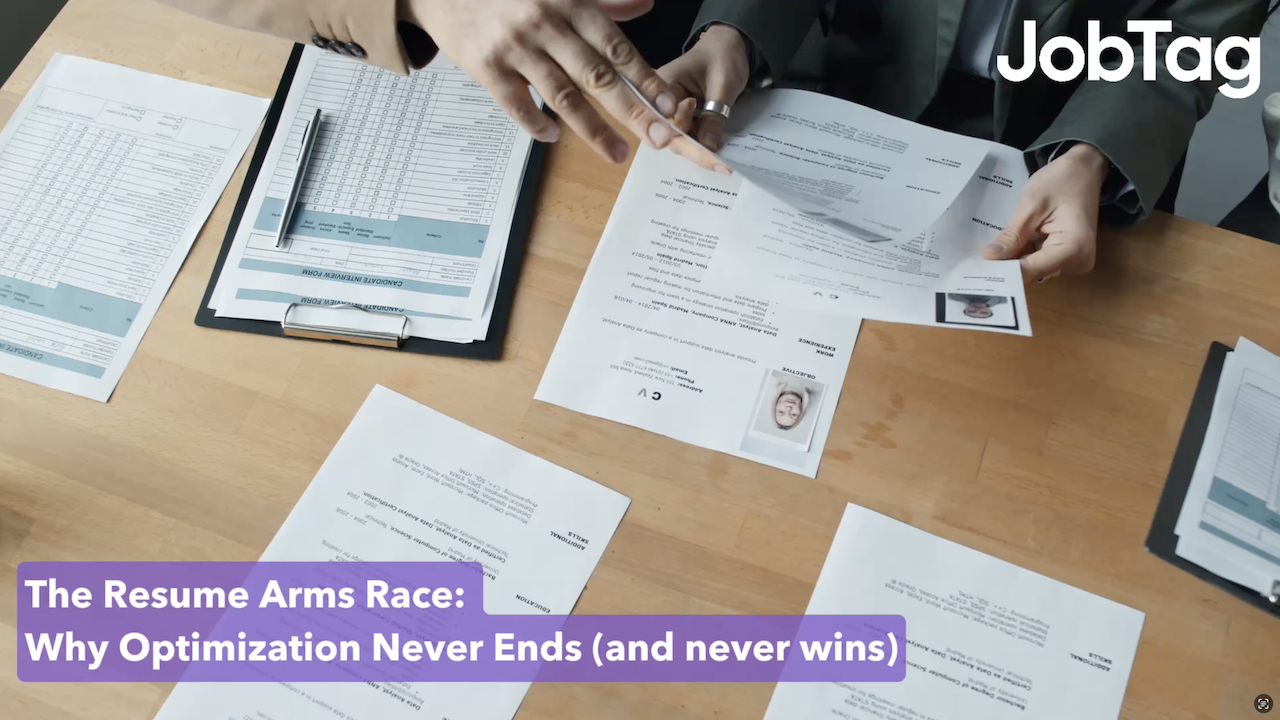
It’s rewriting the same resume five different ways.
It’s battling Applicant Tracking Systems (ATS).
It’s tailoring keywords like you’re doing SEO.
It’s fixing formatting so software can "read" your experience.
It’s creating LinkedIn content because "personal brand matters".
It’s tracking applications like a sales pipeline.
It’s following up so you don’t disappear into silence.
And if you’re serious about competing in today’s market, you’re also told you need to:
• Learn AI tools
• Prove AI fluency
• Build projects to show you can "work with AI"
• Practice interviewing with bots
• Join communities just to stay motivated
• Manage your mental health through constant rejection and uncertainty
This isn’t a job search anymore.
It’s a second job, except you don’t get paid, you don’t get guidance, and you don’t even know if the job you’re applying for is real.
How Traditional Hiring Systems Turned Hiring Into Labor for Candidates
Here’s the uncomfortable truth:
Hiring didn’t become harder because candidates became worse.
It became harder because the system shifted its burden onto them.
Instead of companies improving hiring workflows, candidates were asked to compensate for broken infrastructure.
1) Automation Created Distance
ATS platforms were built for efficiency. But over time, efficiency turned into a wall.
Most candidates aren’t "rejected" by a person, they’re filtered by systems that were never designed to understand potential.
So what do candidates do?
They adapt. They guess. They optimize.
Not because that makes them better, but because it makes them visible.
2) Volume Turned Candidates Into Noise
The cost of applying is near zero today. One-click applications and AI-assisted submissions mean employers receive massive volumes.
So companies protect themselves with filters.
And candidates pay the price:
• more hoops
• more rules
• more "tips"
• more anxiety
3) The "Perfect Candidate" Myth Got Worse
Hiring used to be about conversation and capability.
Now it’s often about:
• matching a checklist
• hitting keywords
• having the "right" job titles
• looking flawless on paper
Which means people who are capable career switchers, immigrants, self-taught talent, returning parents, nontraditional candidates get filtered out early.
Not because they can’t do the job.
Because they don’t look perfect enough in a system built to reduce risk, not discover value.
The Real Consequences (No One Talks About This Part)
When job searching becomes a full-time job, it doesn’t just consume time, it consumes lives.
Mental Exhaustion
You wake up, open your laptop, and do the same thing again:
search → apply → wait → silence → repeat.
After weeks or months, it becomes emotionally heavy.
Not because people are weak, but because uncertainty is psychologically draining.
Financial Instability
The job market doesn’t pause rent.
It doesn’t pause bills.
It doesn’t pause family responsibilities.
Every extra week without a response isn’t just frustrating, it’s expensive.
Identity Damage
A job search is personal. Even when people pretend it isn’t.
When you send hundreds of applications and receive nothing back, the message starts to feel like:
“You don’t matter.”
That’s the part candidates don’t say out loud.
But they feel it.
Invisible Inequality
Not everyone has the same resources to survive a long search.
If you have:
• savings
• a strong network
• family support
• time to optimize everything
You can keep going.
If you don’t, the system becomes brutal quite fast.
And that’s how hiring quietly becomes unfair without anyone admitting it.
What the World Should Look Like
Job searching should not require:
• mastering software
• becoming a content creator
• rewriting the same information endlessly
• learning new "rules" every month
• spending hours to be ignored
Hiring should be designed for clarity.
That means:
• real job status (open is open, closed is closed)
• early conversations
• transparent intent
• fewer hoops
• less waiting
• fewer fake opportunities
• less psychological stress
Most of all, job searching should feel like a two-way process, not a performance.
Because candidates aren’t asking to be saved.
They’re asking for something basic:
Respect and visibility.
How JobTag Is Building a Better Way
JobTag was built around one simple idea:
Hiring should happen at the speed of real life, with real people, not endless filters.
Instead of forcing candidates to play by invisible rules, JobTag creates a hiring environment where people can be seen fast, and decisions can happen naturally.
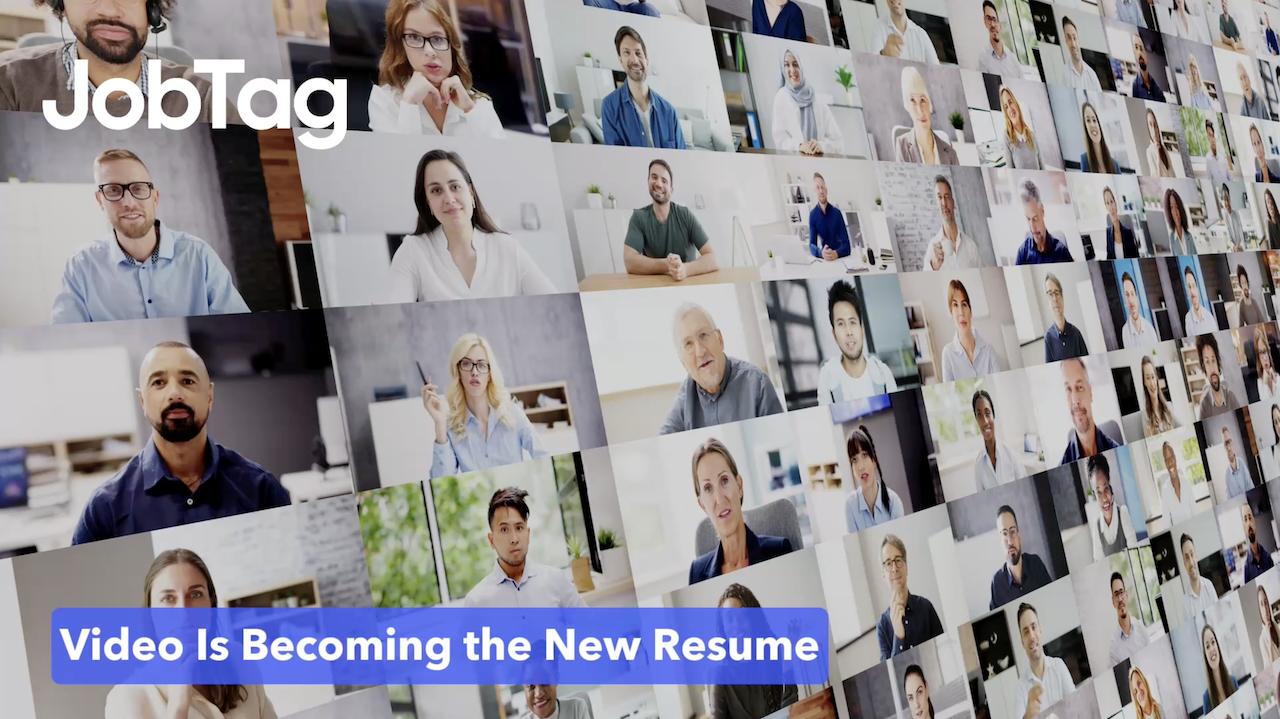
Video-First Profiles (Human > PDF)
Resumes are limited. They don’t show:
• communication
• presence
• confidence
• personality
• soft skills
JobTag allows candidates to show up as real people through video, not just text.
Real Discovery (Not Black-Hole Applications)
Instead of applying into silence, JobTag focuses on real-time discovery.
Candidates and employers can connect faster because visibility isn’t delayed behind "processing".
Faster Conversations
Traditional hiring often delays human interaction until the final stage.
JobTag flips that:
conversation comes earlier, which means clarity comes earlier.
Less Guessing, More Signal
Candidates shouldn’t have to guess what went wrong.
Hiring should create clear signals:
• interest
• progress
• closure
When systems are designed with visibility and intent, ghosting becomes harder not because people suddenly become nicer, but because the process itself supports accountability.
Real-Time Job Status
If a role is live, candidates can see it. If it’s closed, it disappears. No more applying into silence.
Direct Discovery
Candidates don’t wait weeks to be “reviewed.” Employers and candidates discover each other instantly eliminating unnecessary limbo.
Human Presence First
Video introductions replace faceless resumes. You’re not a Document, you’re a person with context, tone, and presence.
Accountability by Design
When conversations start early, ghosting becomes harder. Visibility creates responsibility.
Closure Without Cruelty
Not every match will work and that’s okay. JobTag makes clarity the default, not the exception.
This isn’t about being nicer.
It’s about fixing broken infrastructure.
Where Do We Go From Here
The job market isn’t broken because candidates aren’t trying.
It’s broken because candidates are forced to carry the system on their backs.
They’re told to optimize, adapt, redesign, brand, rewrite, resubmit - endlessly.
But at some point, we need to say it plainly:
If job searching requires this much unpaid work just to be noticed, the problem isn’t people. It’s infrastructure.
Hiring can be better than this.
And it should be.
If You're Ready For The Better
Explore JobTag - hiring built for humans, not systems.


Morgan
Morgan Hale writes about the future of hiring, human-centered design, and the real challenges people face in today’s job market. With a background in HR technology and workforce psychology, Morgan focuses on exposing outdated hiring practices and highlighting solutions that restore dignity and transparency to the job world.
Related posts
The Resume Arms Race: Why Optimization Never Ends (and Never Wins)
Leave a Reply