


Why Hiring Feels Broken and Why It’s Not Candidates’ Fault
If finding a job feels harder than it should, you’re not imagining it.
The system isn’t failing you.
It’s failing everyone involved quietly, at scale.
THE PROBLEM
Millions of qualified people are searching for work right now.
They’re applying.
They’re tailoring resumes.
They’re writing cover letters.
They’re doing everything they’re told to do.
And yet, they hear nothing back.
Or they receive instant rejections that make no sense.
Or they’re filtered out before a human ever sees them.
The common narrative says:
“You need a better resume.”
“You need better keywords.”
“You need more experience.”
But that narrative is wrong.
Because hiring doesn’t feel broken due to a lack of talent, it feels broken because the infrastructure was never built to understand humans.
WHY TRADITIONAL SYSTEMS MAKE IT WORSE
Modern hiring is dominated by systems designed for efficiency, not connection. Over time, those systems have drifted further away from reality.
Here’s how that happens:
Algorithmic Filtering
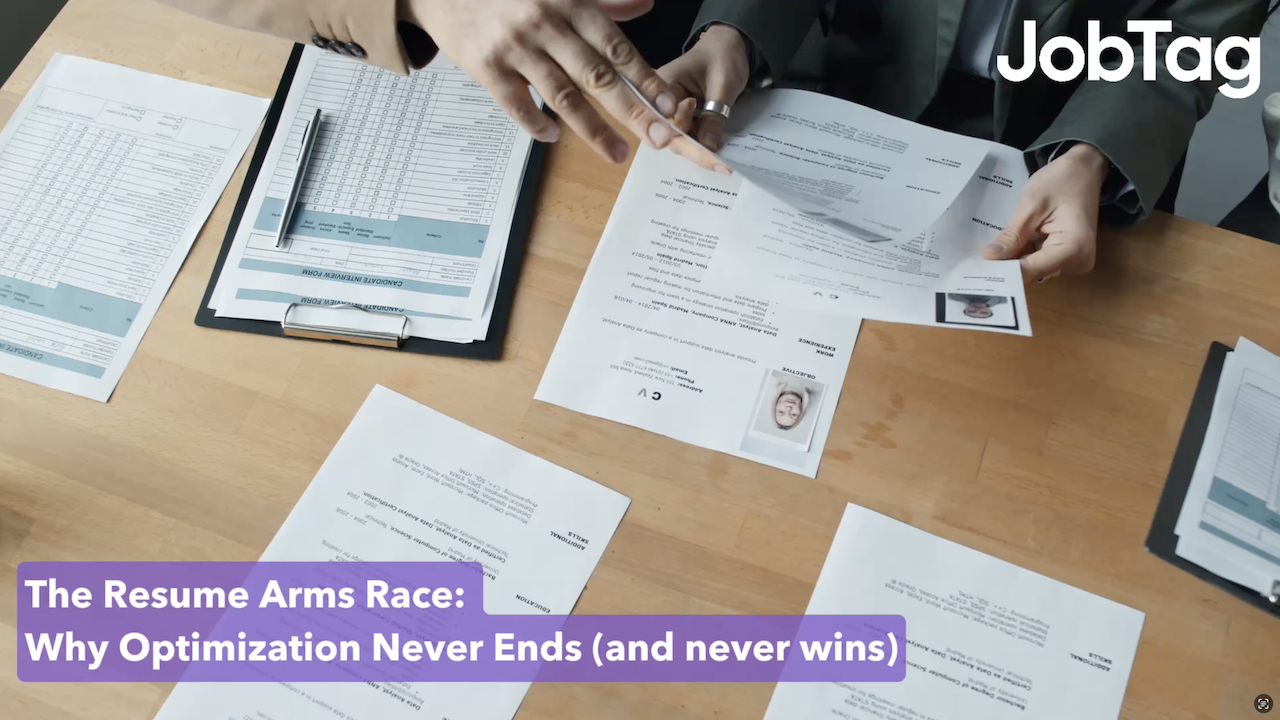
Most resumes are screened by automated systems before a recruiter ever opens them. These systems rely on rigid criteria, exact keyword matches, and predefined scoring rules.
If your experience doesn’t match the algorithm’s expectations, even if you’re capable, you’re filtered out.
Keyword Scoring
Candidates now optimize resumes like SEO pages. Skills are repeated, phrasing is manipulated, and authenticity is sacrificed ... all to satisfy machines.
The irony?
The better you understand how to “game” the system, the less the system reflects who you actually are.
Five-Second Resume Scans
When resumes do reach humans, recruiters are often overwhelmed. Many scan profiles for seconds, not minutes. Context is lost. Potential is missed.
Zero Human Conversation
Most hiring journeys involve no real interaction until the very end, if they involve at all. Candidates are judged long before they’re heard.
Endless Rejections, No Feedback
When systems reject candidates automatically, feedback disappears. People don’t know why they weren’t selected or how to improve.
This creates a loop of confusion, frustration, and self-doubt.
REAL CONSEQUENCES FOR REAL PEOPLE
The impact of this system goes far beyond inconvenience.
Confidence Erosion
Repeated rejections, especially silent ones, convince capable people they’re not good enough. Confidence drops long before opportunity appears.
Time and Financial Pressure
Weeks turn into months. Savings shrink. Decisions get delayed. Stress compounds.
Emotional Exhaustion
Job searching becomes emotionally draining when effort is met with silence. People disengage, not because they don’t care, but because they’re worn down.
Mistrust of the System
Candidates stop believing job postings are real. They stop trusting companies. They stop trusting the process.
Eventually, people internalise a false conclusion:
“I must be the problem.”
They’re not.
WHAT THE WORLD SHOULD LOOK LIKE
Hiring shouldn’t require decoding algorithms or pretending to be a perfect keyword match.
A healthier hiring system would:
- Prioritize real conversations early
- Let people show who they are, not just what they list
- Reduce waiting, guessing, and silence
- Create transparency around availability and intent
- Treat candidates as participants, not data points
In other words, hiring should feel human again.
HOW JOBTAG IS BUILDING THAT FUTURE
JobTag was built to challenge the assumption that hiring has to be slow, opaque, and impersonal.
Instead of optimizing for filters, JobTag optimizes for visibility and connection.
Video-First Discovery
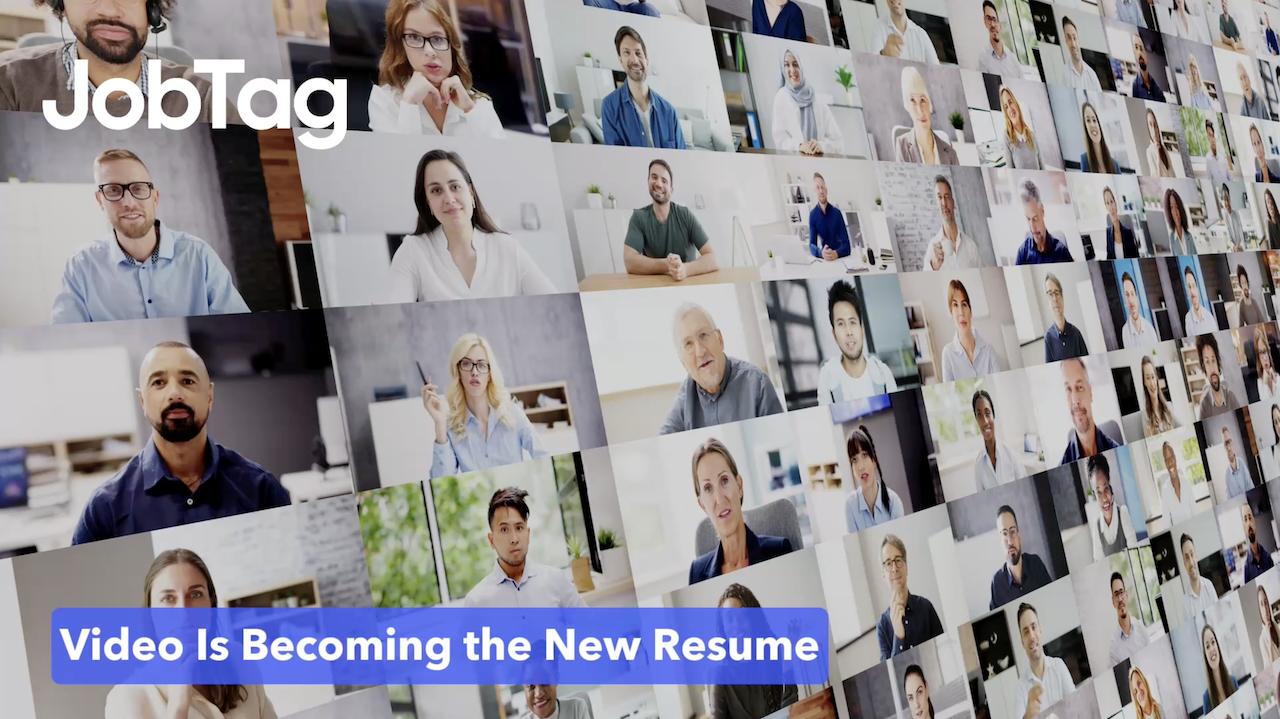
Candidates introduce themselves through short video reels and pitches. Employers see communication skills, presence, and personality, not just text.
Instant Visibility
No black-hole applications. Candidates and employers discover each other in real time, based on availability and intent.
Real Conversations, Early
Chat and video replace long waiting periods. If there’s interest, conversation happens immediately.
No Keyword Games
Skills matter, but so does how people show up. JobTag removes the need to perform for algorithms.
Respect by Design
When visibility is real and status is clear, ghosting becomes the exception, not the rule.
JobTag doesn’t ask candidates to adapt to broken systems.
It rebuilds the system around them.
WHERE DO WE GO FROM HERE
Hiring feels broken today because it evolved around tools, not people.
But it doesn’t have to stay that way.
When humans are allowed to be seen, heard, and understood early in the process, hiring becomes faster, fairer, and more honest for everyone involved.
The problem was never the candidates, was how hiring was designed.
And design can change.
IF YOU'RE READY FOR BETTER
Explore JobTag - hiring built for humans, not systems.


Morgan
Morgan Hale writes about the future of hiring, human-centered design, and the real challenges people face in today’s job market. With a background in HR technology and workforce psychology, Morgan focuses on exposing outdated hiring practices and highlighting solutions that restore dignity and transparency to the job world.
Related posts
The Resume Arms Race: Why Optimization Never Ends (and Never Wins)
Leave a Reply